Some baking mishaps arrive before the timer rings. A butter measurement goes wrong, a batter curdles, or a tray browns too quickly. Useful baking mistake solutions begin by deciding whether the problem is still reversible. That choice prevents panic from creating a second problem. Look at the stage of the recipe first. Ingredients behave very differently before, during, and after baking. A bowl of batter offers more options than a fully cooled cake. The best move is often simple and immediate. Slow down long enough to identify the exact mistake. Then choose a response that preserves the parts already working.
Early mistakes are usually easier to contain. If flour was added too quickly, stop mixing and check the batter’s feel. If butter is still too cold, let time do some of the work. A practical baking problem diagnosis gives you a way to compare symptoms without guessing. Do not add several extra ingredients to cover uncertainty. That can create a new imbalance in texture or sweetness. Instead, return to the recipe’s intended ratio. Use measured additions, not hopeful splashes. A deliberate rescue protects the flavor you planned. It also leaves you with a clearer record of what happened. Even a rough batch can teach you where the process drifted.
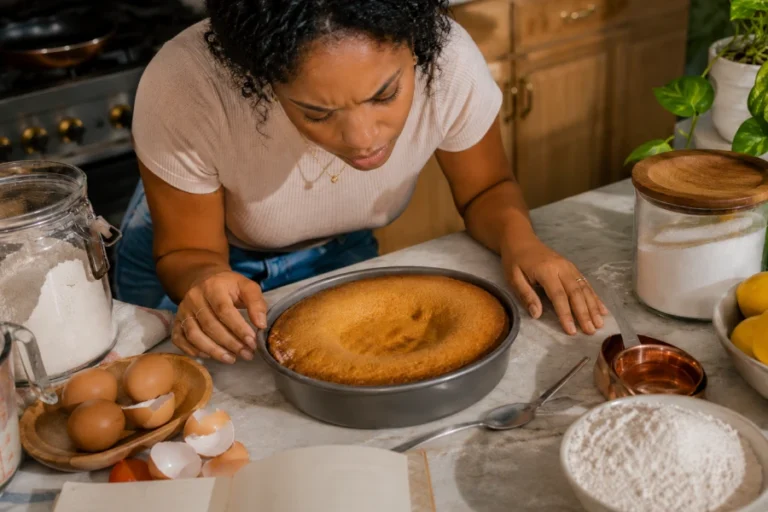
The oven changes the kind of decisions you can make. Once a cake rises, the structure is already forming. You can still adjust placement, timing, or surface protection. A quick recipe adjustment plan can stop you from treating every dark edge the same way. Loosely cover a browning top only when the center still needs time. Move a pan only when doing so will not collapse a delicate bake. Observe the edges, the center, and the aroma together. Those signals tell a more complete story than color alone. The goal is to prevent damage, not to interrupt the bake unnecessarily. Good judgment at this stage is calm and specific.
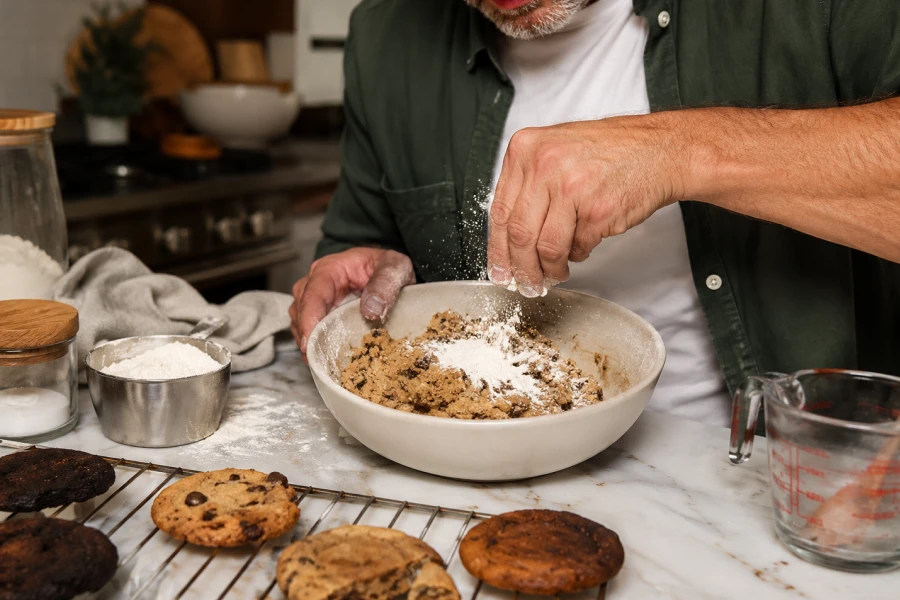
Dough and batter rarely need the same kind of rescue. Cookie dough may need chilling, while cake batter may need gentler handling. Bread dough can need rest more than added flour. A useful oven temperature checks starts with the texture you expected. Compare the actual mixture with that target. Then make the smallest correction that moves it closer. Add flour by spoonfuls, not by instinct. Give dough time to absorb moisture before deciding it is too wet. Let batter remain imperfect when further mixing would make it tough. A restrained response can save both texture and flavor.
A result can look wrong and still taste good. That is why flavor should not become an afterthought. Cool the bake enough to taste it honestly. Then decide whether it needs a serving adjustment rather than a recipe rewrite. A baking texture fixes can help you find contrast through salt, acid, fruit, or a less-sweet topping. Those choices work best when they support the bake instead of hiding it. A dry cake may shine with a bright sauce. A slightly plain cookie may benefit from a salted finish. Small finishing choices can make a batch feel intentional. They also give you space to learn before baking again.
Not every issue deserves a complicated rescue. A cracked top might be cosmetic. A spread cookie may still be delicious. Decide what matters for the occasion before you invest more time. A clear baking flavor balance helps you separate structural concerns from presentation concerns. Use it to choose whether to serve, repurpose, or retry. Trifles, parfaits, ice cream sandwiches, and crumb toppings welcome imperfect bakes. That flexibility reduces waste without pretending every result was planned. It also keeps one batch from stealing the pleasure of baking. A practical kitchen makes room for recovery.
The next attempt should build on what you learned, not punish the first one. Change the step that most likely caused the problem. Keep the rest of the process steady. A modest cookie troubleshooting ideas can turn a one-time slip into a useful routine. Note the ingredient temperature, pan size, and timing. Those details matter most when you are troubleshooting a repeat recipe. Avoid chasing a flawless result on the very next try. Look instead for the one improvement you wanted. Consistent progress is easier to repeat. It also makes your baking feel more forgiving.
Baking becomes more enjoyable when mistakes have a place in the process. They reveal habits, equipment quirks, and recipe assumptions. A solution works best when it answers the evidence in front of you. Use one correction, then see what changes. Keep the successful parts of the recipe intact. Serve the result in a way that suits its strengths. Most importantly, keep moving. A single imperfect batch does not erase your ability. It often gives you more useful experience than an effortless success. The next dessert begins with better information.


Leave a comment