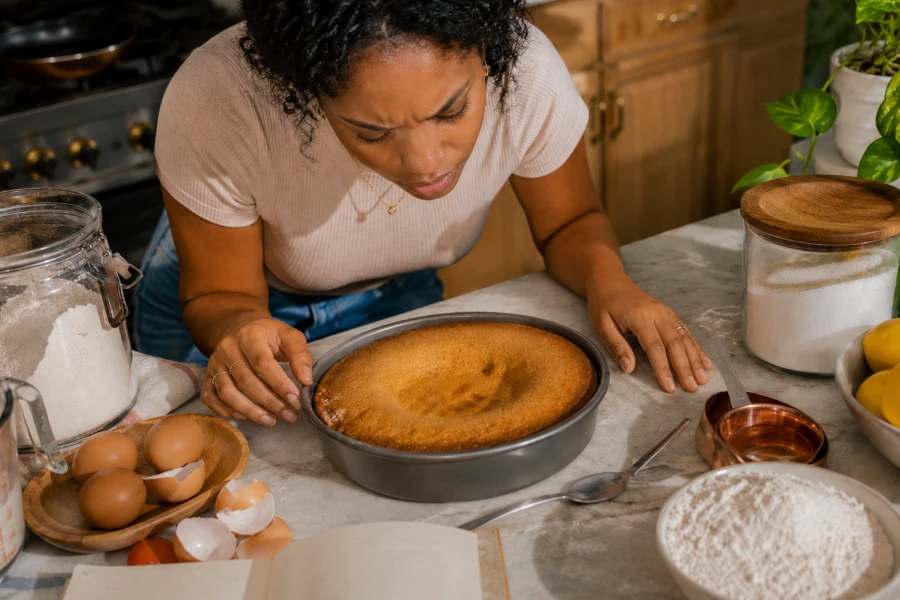
A cake that dips after cooling can feel like a verdict, but it is usually a clue. Good baking troubleshooting tips help you read that clue before you throw away a recipe. Start with the part that changed most noticeably. Was the center soft, the crust dark, or the flavor oddly flat? Each answer points toward a different set of conditions. The kitchen is not a laboratory, yet it gives you useful evidence. Your pan, oven, ingredients, and timing all leave fingerprints. Notice them before making a correction. That pause saves ingredients on the next round. It also turns a frustrating result into a practical lesson.
Begin by describing the bake without judging it. A loaf can be dense without being underbaked. Cookies can spread too far without being ruined. Separate what you see from what you assume caused it. Then consider the last step that could have influenced that result. Freshness of leavening, the pan material, and actual oven heat all matter. A dependable baking problem diagnosis can help you organize those possibilities. Choose one likely cause instead of changing everything at once. That decision keeps your next result easy to interpret. Small tests create stronger instincts than dramatic recipe overhauls. Over time, those instincts make baking feel less mysterious.
Heat often explains more than a recipe card can reveal. Ovens cycle, run hot, and develop warmer corners. A timer cannot compensate for an uneven temperature. Look for browning patterns across the pan. Compare them with the rack position you used. Use oven temperature checks before you assume an ingredient failed. A pale surface with a dry interior tells a different story than a dark surface with a wet center. Rotate only when the recipe and pan allow it. Keep an oven thermometer in view for a few bakes. The goal is not perfection; it is a clearer baseline.
Texture becomes easier to manage when you follow the batter’s structure. Flour creates support, while fat and sugar influence tenderness and spread. Eggs change both moisture and lift. Mixing can either preserve that balance or disturb it. A useful baking texture fixes looks at when the texture went wrong. Did the batter stiffen before baking? Did the crumb tighten after cooling? Those questions are more useful than simply adding more liquid. Measure consistently before experimenting with substitutions. Let one adjustment show you what actually changed. Your recipe becomes more reliable when its structure stays visible.
Flavor problems deserve their own investigation. A beautiful cake can still taste muted, overly sweet, or strangely sharp. Taste only after the bake has cooled enough to settle. Salt, vanilla, citrus, and spice need balance rather than volume. Try a ingredient measuring habits when you want to refine the result without masking it. A small addition can bring a whole batch into focus. Keep notes on the exact brand or amount that worked. Those notes become your personal calibration system. They also make a favorite recipe easier to repeat. Better flavor rarely arrives through a random extra spoonful.
When a bake disappoints, resist the urge to start from zero. Preserve the steps that worked and isolate the one that needs attention. This approach makes future changes feel manageable. A simple baking flavor balance is especially helpful after a new recipe. Record the pan, rack, timing, and visible result in a few words. You will begin spotting patterns after only several bakes. That record lets you trust your judgment without relying on memory. It also turns a near miss into useful experience. Progress in baking often looks quiet before it looks impressive. The next batch becomes stronger because you paid attention to this one.
A thoughtful correction should make the next bake simpler, not more stressful. Return to the same recipe when you can. Use the same pan and the same measuring method. Alter one variable with a clear reason. Watch for a specific improvement rather than an abstract perfect result. That rhythm builds confidence faster than chasing complicated tricks. Eventually, you will know whether your oven needs a lower setting or your dough needs less mixing. You will recognize which questions belong to texture and which belong to flavor. The result is a kitchen routine that feels responsive. Every bake offers a usable answer when you look closely.
The most useful habit is curiosity with boundaries. Pay attention, take one note, and test one adjustment. You do not need to memorize every scientific principle before you bake well. You only need a repeatable way to notice what happened. That process protects your time and your ingredients. It makes familiar recipes feel more dependable. It also makes new recipes less intimidating. Soon, an imperfect tray becomes information instead of proof that you failed. The oven stays a place for experimentation. Better results follow when your observations lead the next step.


Leave a comment