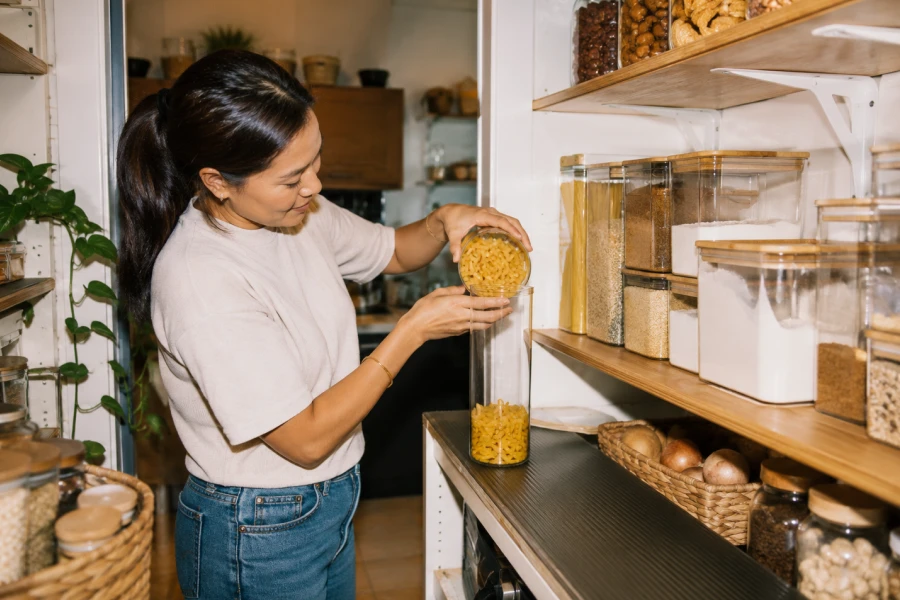
Clutter rarely arrives as one dramatic problem. It builds through small decisions: an extra mug, a duplicate utensil, an appliance that never returns to its cabinet. Kitchen decluttering strategies help you interrupt that pattern without making the room feel bare. Begin with the surface you see most often. A crowded counter can make even a clean kitchen feel demanding. Clear it long enough to notice what the room gains. Space creates a different kind of invitation. It gives you room to chop, unload groceries, and start dinner. From there, you can decide what truly deserves to stay. That clarity creates a more welcoming place to cook.
Decluttering works better when you define the kitchen’s job. Is it mainly for quick meals, baking projects, family dinners, or all three? The answer helps you keep useful tools without keeping every possibility. A practical countertop organization starts with those real routines. Pull out the items you use every week. Then notice which ones have not earned their space. You do not need to discard everything at once. Create a temporary holding area for uncertain items. That pause prevents regret while still clearing the room. A kitchen becomes easier to manage when it holds what supports your current life. The rest can move elsewhere or leave.
Hidden spaces deserve the same honesty as counters. Drawers, cabinets, and deep shelves can hide clutter for years. A focused kitchen decluttering routine gives you a way to sort without getting lost. Empty one category at a time. Group duplicates before deciding which version works best. Check whether tools still function or fit your habits. Let damaged, awkward, and rarely used pieces make a case for leaving. This is not about owning the minimum. It is about being able to find and use what you own. When cabinets become clearer, cooking becomes calmer. The room feels bigger because access improves.
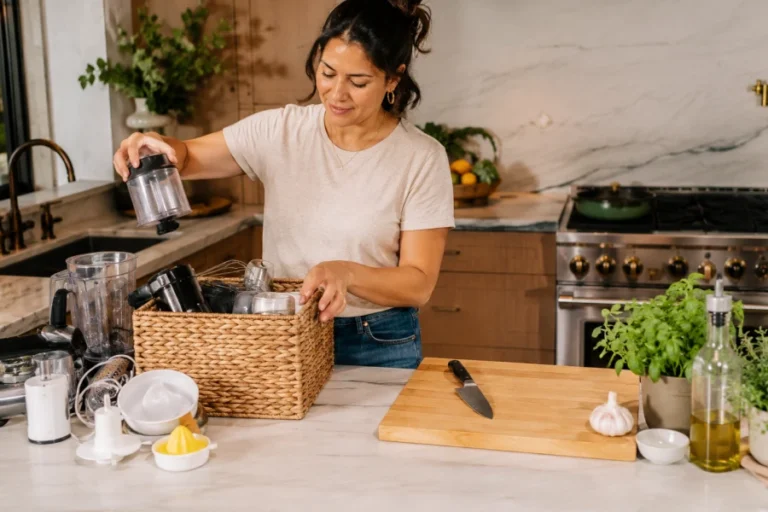
Keep the tools that reduce friction. A sharp knife, a reliable pan, and a useful set of containers deserve a close home. Five versions of the same tool usually do not. A smart drawer organization ideas helps you make those decisions based on use rather than guilt. Consider the last time each item helped you cook or clean. Give the best version the most convenient spot. Store occasional specialty pieces farther away. This keeps your daily zones light and efficient. It also makes putting things back much easier. Good tools become more useful when they are not buried. The kitchen starts rewarding the habits you want to keep.
Every decluttering project needs an exit path. Donate usable items, recycle what can be recycled, and discard broken pieces responsibly. A helpful kitchen storage zones prevents the cleared items from drifting into another room. Keep a small bag or box ready while you work. Finish the handoff quickly, before second thoughts return. This matters because temporary piles often become permanent clutter. Let the decision have a destination. You will feel the difference once the items are actually gone. The space stays clearer when the process has an ending. Decluttering becomes practical rather than emotional.
An open kitchen needs a few protective habits. Return tools after use. Keep one counter mostly free. Review incoming items before they settle into a drawer. A simple cabinet organization plan can support those habits without making them rigid. Use a brief weekly reset to remove papers, packages, and stray objects. Notice when a new tool duplicates something you already own. This attention stops the slow buildup before it becomes stressful. It also makes cleaning faster and cooking easier. The room remains welcoming because it has room to work. Clear space is not empty; it is useful.
Your kitchen does not have to look sparse to feel calm. It can hold color, favorite dishes, and everyday comforts. The difference is intention. Each visible item should support a routine or bring genuine pleasure. Let sentimental pieces stay when they have a purposeful place. Let practical items remain when they work hard. The rest can make room for ease. This is how decluttering becomes personal rather than restrictive. A good kitchen reflects the life happening in it. It simply removes the obstacles that make that life harder.
Start with one zone and finish it completely. A utensil drawer, a pantry shelf, or the counter beside the stove can be enough. Small completions create momentum. You will learn what decisions feel easy and what needs more time. The goal is not a one-day transformation. It is a kitchen that keeps supporting you after the project ends. Make space for the work you enjoy. Make it easy to find the tools you trust. Then let the room become lighter through use, not pressure. The change lasts because it serves your everyday habits.

Leave a comment