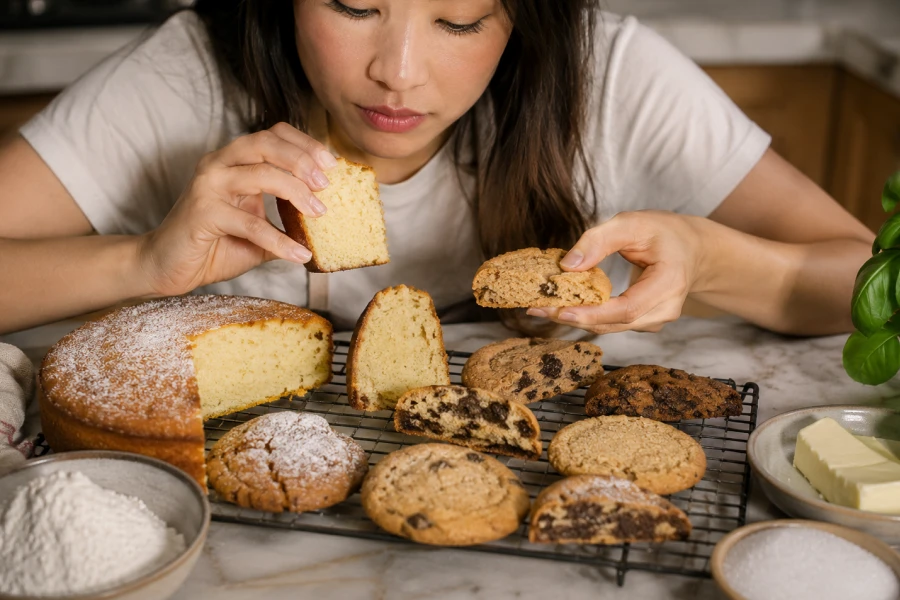
A cake can be dry while a cookie from the same kitchen spreads too far. Those outcomes seem unrelated until you look at structure. Cake and cookie texture problems often begin with the quiet choices around measuring, mixing, and heat. Recipes ask ingredients to do different jobs. A cake needs lift and tenderness. A cookie needs enough structure to hold its shape. That is why a one-size-fits-all correction rarely works. First identify the texture you expected. Then describe the texture you actually got. The distance between those two details gives you a useful starting point.
Look beyond the surface of the bake. A crisp cookie edge may hide a soft middle, while a cake crust can hide a compact crumb. Cut, taste, and notice how the bite changes. A good baking texture fixes begins with those sensory details. Pay attention to chew, tenderness, dryness, and density. Each one suggests a different question. A dry crumb could signal overbaking or too much flour. A dense center could point toward mixing or leavening. Keep your observations specific enough to test. Better language leads to better adjustments. Texture becomes easier to solve when you stop treating it as a single issue.
Mixing affects cakes and cookies in different ways. Cake batter can toughen when flour develops too much structure. Cookie dough can spread unevenly when ingredients are not combined properly. A careful ingredient measuring habits starts with the intended mixing method. Creaming butter and sugar is not the same as stirring melted butter into a bowl. Folding egg whites is not the same as beating a dough. Follow the instruction that suits the recipe’s texture goal. Pause when the mixture looks right, rather than mixing for an arbitrary extra minute. That restraint protects tenderness. It also keeps your next batch closer to the original design.
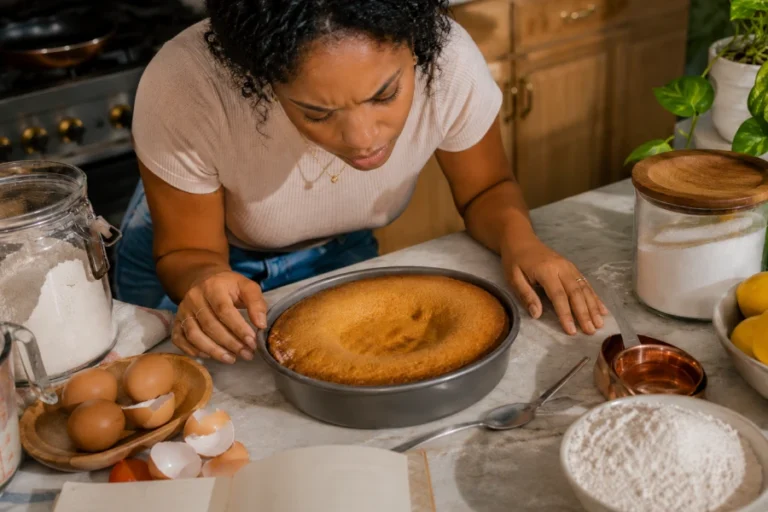
Moisture moves through baked goods in ways that are easy to overlook. Brown sugar, butter, eggs, and flour all influence the final feel. Pan size changes how quickly the center sets. A useful baking problem diagnosis asks where moisture was lost or trapped. Was the cake baked in a larger pan? Were cookies chilled longer than usual? Did the dough sit uncovered while another tray baked? Those small conditions can shift texture more than a new ingredient brand. Use consistent portions and timing when you test. That consistency shows whether your correction truly worked. It also saves you from chasing the wrong explanation.
Temperature matters from the first ingredient to the final cooling rack. Soft butter creates a different dough than melted butter. Cold eggs can make a batter look broken. A targeted cake troubleshooting methods helps you connect temperature with the texture you see later. Let ingredients reach the state the recipe actually requests. Cool cakes in the pan only as long as directed. Move cookies when their structure can support them. These moments shape chew, tenderness, and moisture. They may feel minor, but they add up across a recipe. A steady routine creates a more predictable finish.
Texture improves fastest when you adjust one variable per batch. Choose flour measurement, oven temperature, mixing time, or pan choice. Do not change all four together. A smart reliable baking routines makes that decision easier by narrowing the symptom first. Keep a short note about what changed and what stayed the same. You can use a simple phone note or recipe card. The point is not to make baking feel clinical. The point is to make improvement visible. One clear test teaches you more than a complete rewrite. It also lets you repeat a success with confidence.
Some textures are matters of preference, not failure. A chewy cookie might be ideal for one person and too soft for another. A tight pound cake may suit a glaze better than a fluffy layer cake. Decide what you want before you correct it. That preference shapes the right method. Use the recipe as a framework, then learn how your ingredients behave. Notice the versions you enjoy most. Those results become your personal reference. Texture stops being a vague worry when you know your target. Better bakes follow from a clearer definition of good.
The easiest way to gain confidence is to turn one recipe into a familiar baseline. Bake it more than once. Let the same pan, oven, and measuring method teach you their patterns. Once the baseline feels reliable, variations become more useful. You will spot whether a change makes the crumb softer or the cookie chewier. That knowledge transfers to new recipes over time. It also makes small mishaps easier to diagnose. A thoughtful baker does not need perfect results every time. They need a method for understanding what happened. Texture then becomes part of the pleasure, not the uncertainty.


Leave a comment